A wedding photography timeline is a structured schedule that organises the day to ensure photographers capture all essential moments while allowing the couple time to enjoy their celebration.
How much time should I set aside for group photos?
You should allocate at least three to five minutes for every formal group photograph on your list. Many couples underestimate how long it takes to locate family members who are socialising or visiting the bar during the drinks reception. If you have ten formal groups to photograph, this process will consume nearly an hour of your day. You must account for the time required to gather these people and arrange them into a cohesive group. Overestimating this duration helps you avoid feeling rushed and prevents your formal photo session from bleeding into your cocktail hour. Limit your total list to twelve groups to keep the process efficient. Your professional photographer will appreciate having a clear list of names provided well in advance. Print this list out and give a copy to a trusted groomsman or bridesmaid who knows the family members well. This person can act as an assistant to call out names and keep the queue moving. By planning these formal sessions early in the day, you ensure everyone looks fresh and tidy before the reception festivities begin. This level of organisation allows you to return to your guests quickly and resume the natural flow of your celebration.
How do I schedule my couple portraits for the best light?
You should schedule your couple portraits during the hour before sunset, a period commonly referred to as golden hour, to achieve soft and flattering lighting. Because the sun sets at different times across the seasons in the United Kingdom, you must verify the specific sunset time for your date. A winter wedding might lose usable light by mid-afternoon, requiring you to move these portraits earlier in the afternoon. A summer wedding offers long, lingering light that allows for more flexibility in your evening schedule. Consult your photographer months in advance to discuss the best location at your venue for these shots. They will know which areas receive the best exposure during your specific month. If the weather looks unpredictable, discuss a backup plan that includes indoor spaces with large windows or sheltered outdoor areas. You might also want to plan for a quick five-minute session during the evening if the light provides a particularly dramatic effect. Keep your couple portrait session focused on the two of you, as this provides a quiet moment away from the crowd. This brief period of calm often produces the most intimate and authentic photographs of the entire day.
What is the best way to collect photos from guests?
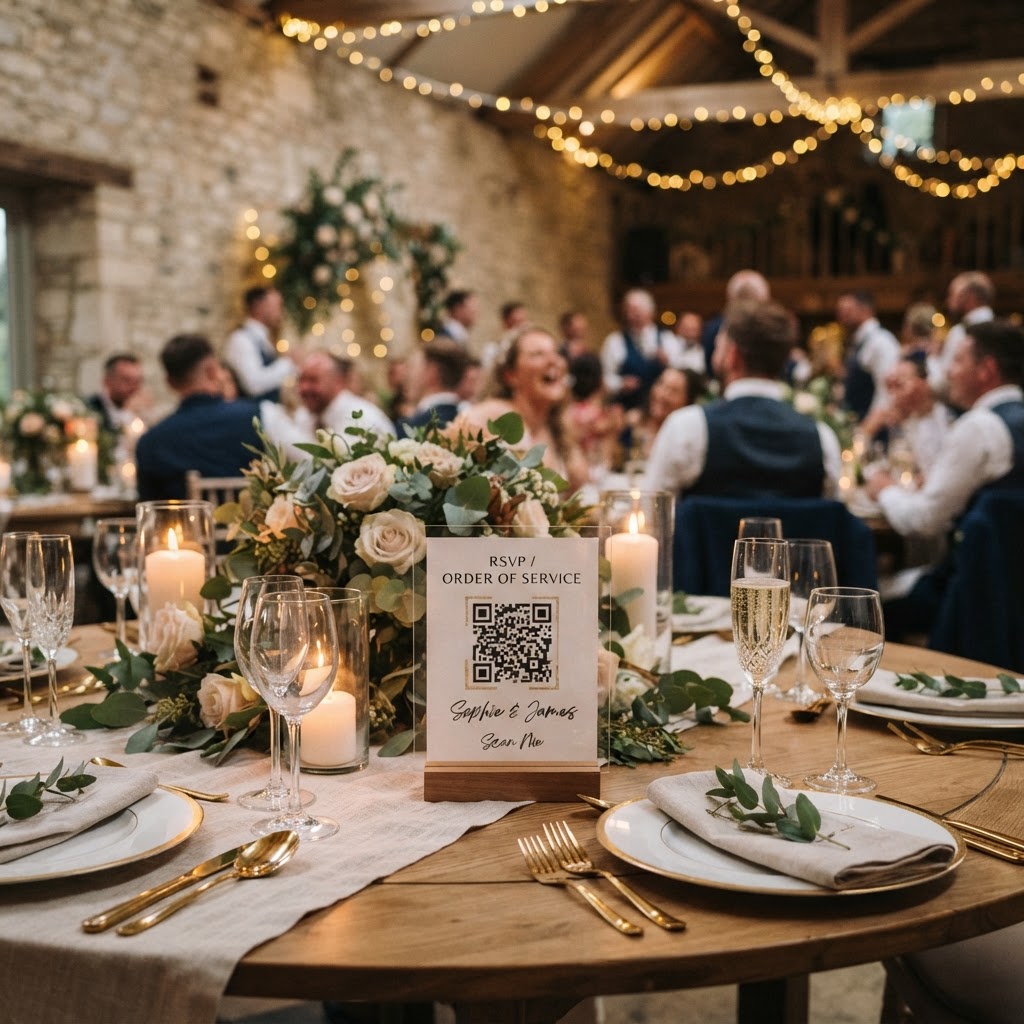
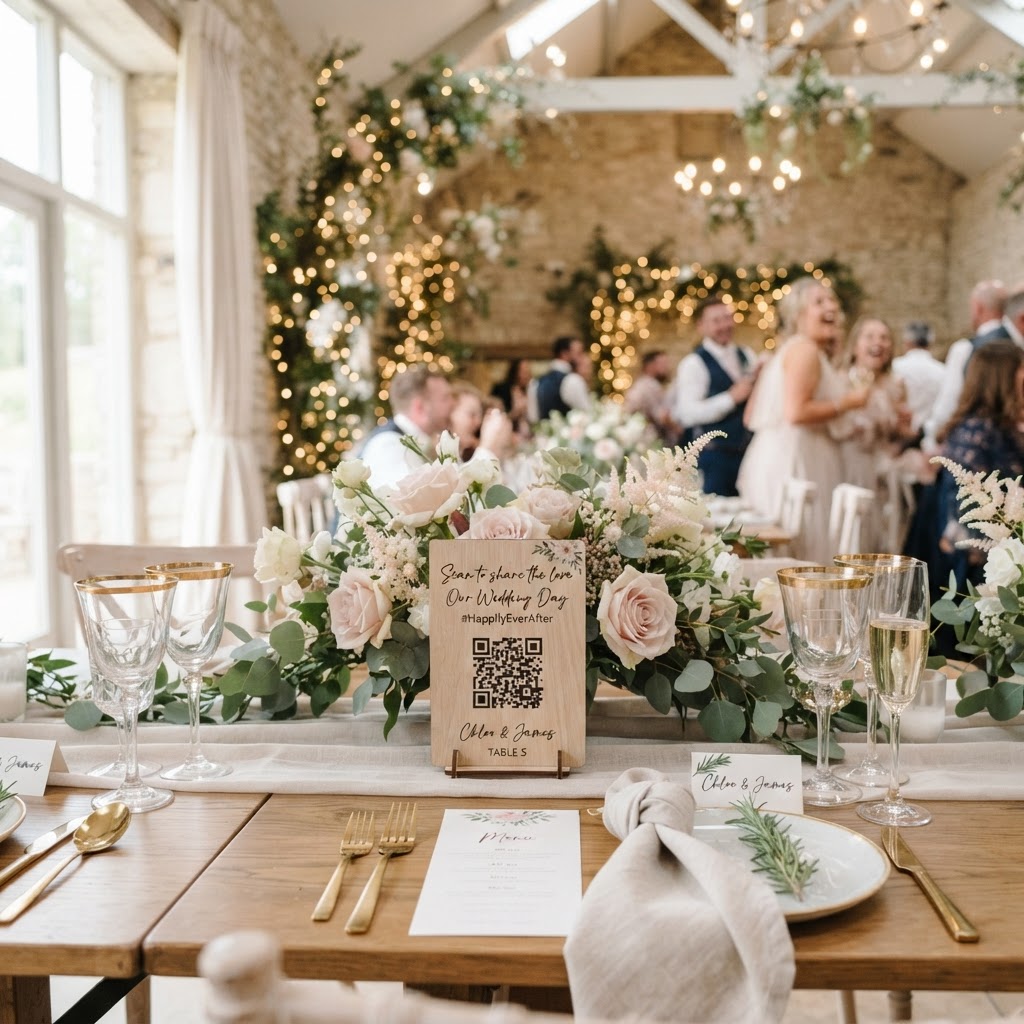
The most effective way to collect photos from guests is to provide a QR code at each table, allowing guests to upload their images directly from a phone browser. This approach avoids the need for guests to download specific applications or create permanent user accounts. By placing a small card with a unique code on the centrepieces, you make it easy for friends and family to share their perspectives throughout the event. This collective album captures off-the-cuff moments that professional photographers often miss, such as guests dancing or interacting during the breakfast. When you use this method, you avoid the hassle of chasing down individual family members to receive their scattered WhatsApp messages or broken links weeks later. These platforms often feature a live slideshow mode that projects incoming uploads onto a screen at the venue, which creates a fun and interactive experience for everyone present. Keep in mind that these shared galleries are intended for immediate post-event viewing. Most services, including those like Moment49, keep uploads open for seven days following the event and delete the gallery ninety days after the date, so ensure you download your favourite images promptly.
How to balance formal photography with candid interaction
Your wedding day requires a careful balance between being a subject for professional portraits and interacting freely with your guests. Build a fifteen-minute buffer into every major transition within your timeline to handle inevitable delays. If your ceremony finishes at three, do not schedule your next event until three-fifteen. This buffer allows for natural movement and prevents a minor delay in one segment from impacting the rest of the day. Instruct your photographer to capture the intricate details of your venue, such as the table settings and floral arrangements, before guests enter the room. This usually requires a ten-minute window while the space is empty. Consider an unplugged ceremony if you want your guests to be fully present during your vows, but keep the reception open for digital sharing. Encouraging guests to contribute their own snapshots via a simple scanning process transforms your wedding story into a collaborative effort. This ensures that you have a comprehensive record of the day, reflecting both the carefully planned formal moments and the spontaneous fun of your loved ones. Always treat your timeline as a flexible framework rather than an unbreakable rulebook. If you spend your day constantly checking the clock, you will miss the emotions that make your wedding significant. Focus on being present with your partner and guests, while letting your professional photographer and guest contributors handle the documentation side of the day.