Wedding guest photo sharing is the process of collecting digital media captured by attendees to build a collective visual record of your event.
Modern couples increasingly value authentic engagement over the stiff, formal imagery of traditional wedding photography. While professional photos provide beautiful portraits, the spontaneous moments captured by your friends and family offer a different, more personal perspective on your celebration. Encouraging this participation requires clear communication and a strategy that removes technical barriers for your guests.
How do I encourage guests to share their wedding photos?
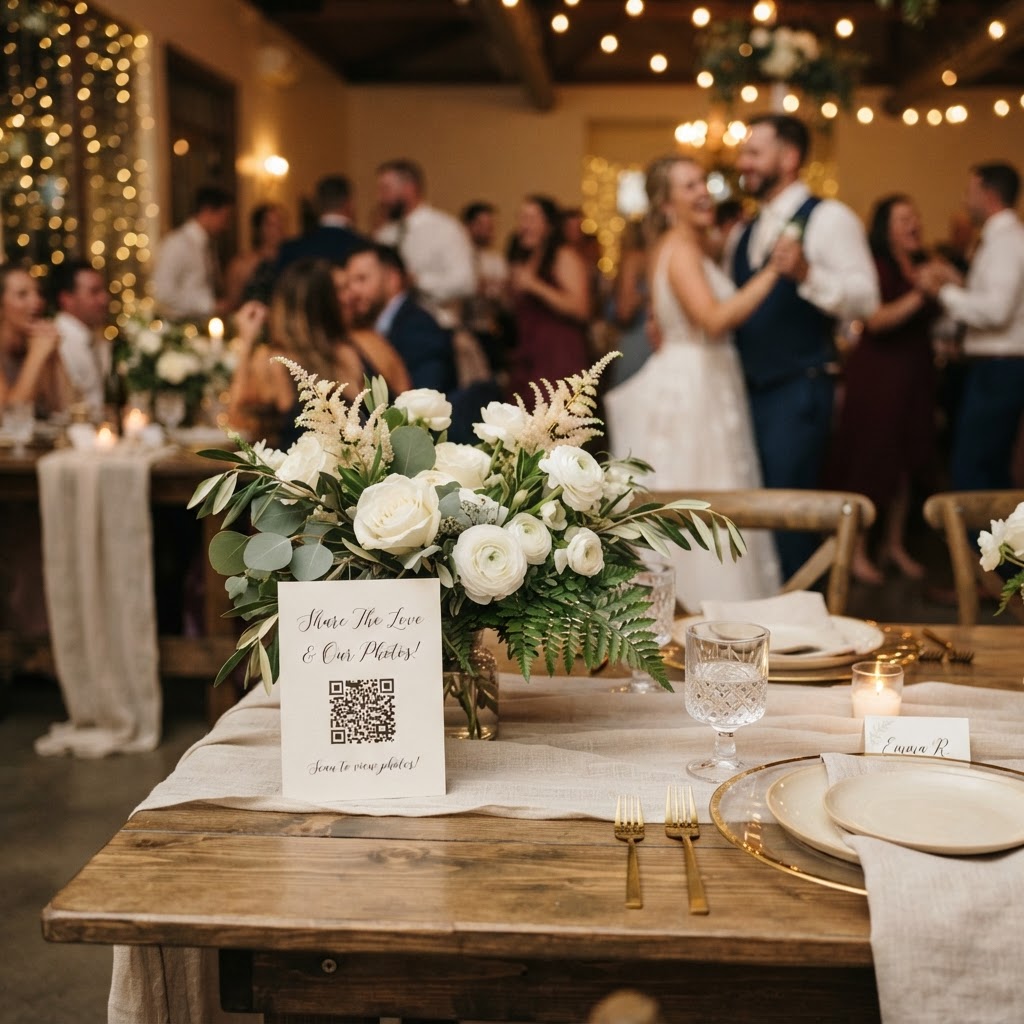
You encourage guest participation by providing a clear instruction that requires minimal effort from their mobile devices. People are much more likely to document the day if the process is immediate and does not interrupt their enjoyment of the party. Avoid systems that demand app downloads or account registrations, as these create friction that discourages engagement. Instead, place small cards on reception tables that provide a direct link to a shared digital space. These cards should explain exactly why you want their input, perhaps by asking them to capture specific sights like the dance floor energy or candid interactions during the drinks reception. When guests understand that their photos are a gift of memories for you, they feel more invested in the success of the event.
Where should I set up QR codes for wedding photo uploads?
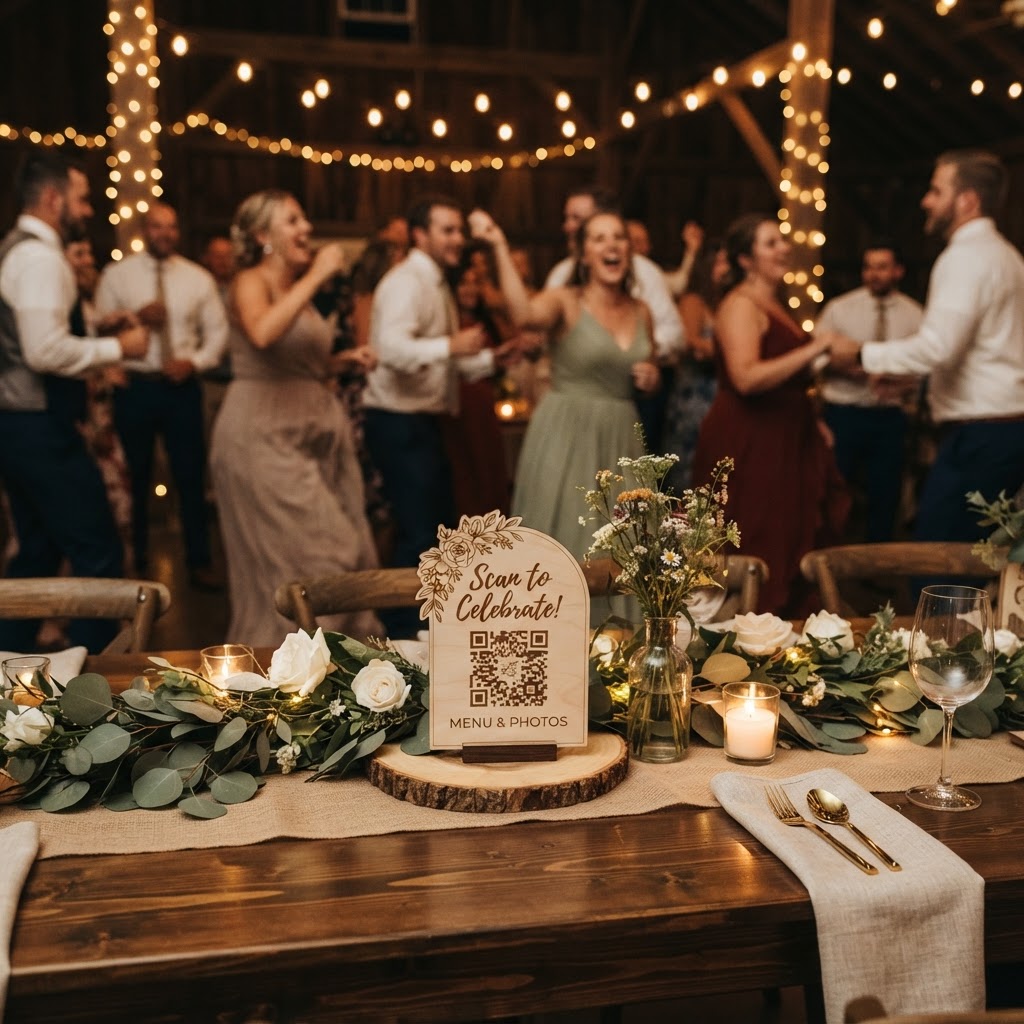
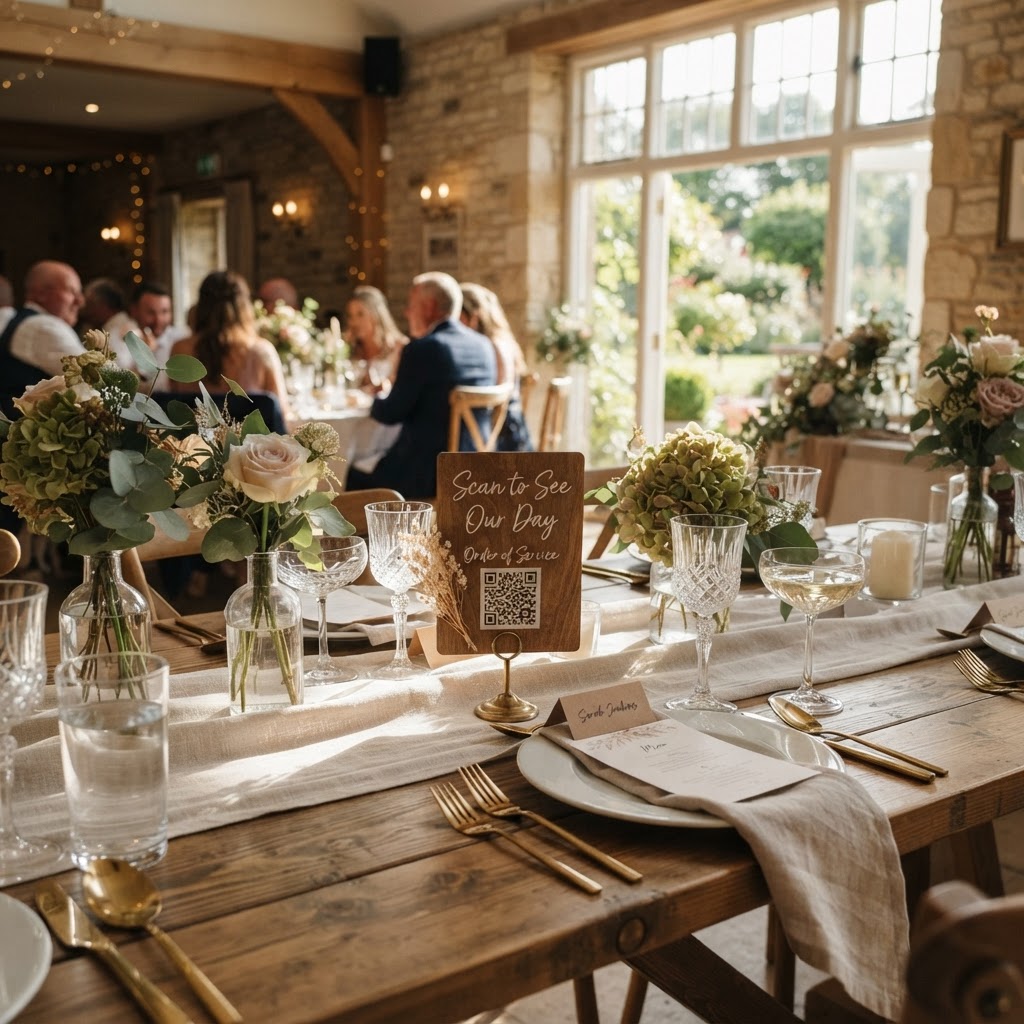
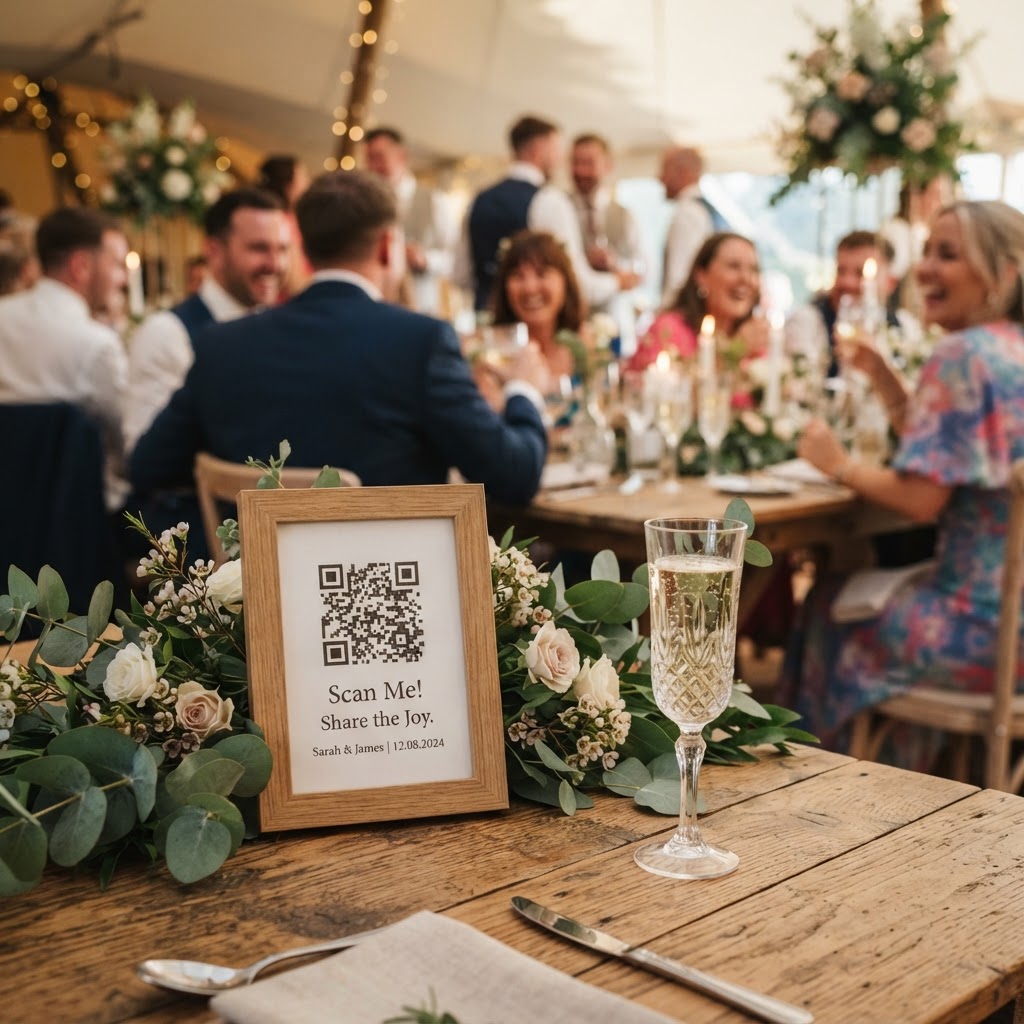
You should place QR codes in high-traffic areas such as table centres, bar counters, or near the guest book station to ensure maximum visibility throughout the evening. Using these codes makes the process of uploading photos and videos accessible for everyone from older relatives to younger guests. By scanning a code, guests immediately open a simple upload portal in their phone browser without needing additional software. You can even print these codes on your wedding programmes or include them in your welcome speech to notify guests early. Once the system is live, encourage guests to use it throughout the day, whether they are capturing a heartfelt moment during the speeches or a funny scene on the dance floor.
How do you balance an unplugged ceremony with a photo-sharing reception?
You achieve balance by clearly defining the boundaries for when guests should put their phones away and when they are invited to start documenting the fun. Most couples prefer an unplugged ceremony where friends remain present without holding devices in the air. This protects your professional photographer from obstructions while ensuring your guests are focused on the vows. Transition to a connected reception by announcing that the doors are open for creative contribution once the party begins. This helps manage expectations while still giving guests the freedom to act as your unofficial second shooters later in the day. Be kind and direct with these requests to ensure your guests do not feel pressured, but instead feel welcomed as active participants in your visual storytelling.
The Role of Video Guestbooks
Photography is only one half of the memory-keeping equation, as video provides a living record of the voices and laughter that photos cannot capture. A video guestbook allows friends to leave short, unscripted messages that feel far more natural than a formal speech delivered at the head table. Avoid the pressure of a traditional, bright-lit booth setup which often makes people feel self-conscious. Instead, promote short clips of guests offering well-wishes during a quiet moment at the bar or as they mingle during the buffet. These micro-moments act as a wonderful, raw archive of the specific way your loved ones celebrate with you.
Why should I avoid long-term subscription photo services?
You should choose a simple, one-off payment service because wedding media is often most relevant in the immediate aftermath of the event, rather than as a permanent archive. Many subscription platforms lock you into recurring costs for a gallery that you may only visit a few times after the wedding. A service like Moment49 provides a straightforward model where you pay once, share the code, and receive your collection. These systems allow guests to upload content for seven days after the event, which covers the period when they are still sharing their own photos. Note that these galleries are typically deleted after ninety days, so they are not designed to serve as your lifelong storage solution. This structure keeps the process simple and prevents you from paying for storage you do not need once the initial excitement has faded.
Managing Your Shared Gallery
Once your wedding concludes, the real benefit of this system becomes apparent as you start to download your files. Instead of spending weeks chasing down family members to send files via email or text, you gain access to a centralised collection of images from multiple viewpoints. Treat this as a second, private viewing of your wedding day. You will likely see moments that your professional photographer missed, such as scenes from the guest tables or candid reactions during the evening music. Organising these files early ensures you do not lose track of the memories while they are fresh. Download your favourite shots and save them to your personal computer or a dedicated cloud drive soon after the ninety-day window expires to ensure you preserve your favourite highlights.